Many scores have already been released in 2026, and I have been writing regular reviews of some of them, but there are more that deserve attention. In this Spotlight article, I want to look at some of those.
A Knight of the Seven Kingdoms – Dan Romer
One of the most outstanding scores for television are those written for Game of Thrones by Ramin Djawadi. He also composed the music for the spin-off House of the Dragon, but for the second spin-off, A Knight of the Seven Kingdoms, Dan Romer had been asked to write the music. Initially I was quite surprised by this composer change, but when I learned more about the show, I understood why. The show is about one naive knight and a squire and is more light-hearted than the other Game of Thrones series. With a show that focuses primarily on two people rather than big battles, and discourse among many powerful families, Romer’s music is perfectly suited, with the majority featuring melodies from a single instrument, like a fiddle. When the orchestra is used, the music is more over-the-top, like satire. With the show being a Game of Thrones one, Romer also had the opportunity to add his own flair to the Game of Thrones main theme, which he did wonderfully. The music for A Knight of the Seven Kingdoms is delightful, and choosing a different composer for a different Game of Thrones show was an excellent choice.
The Drama – Daniel Pemberton
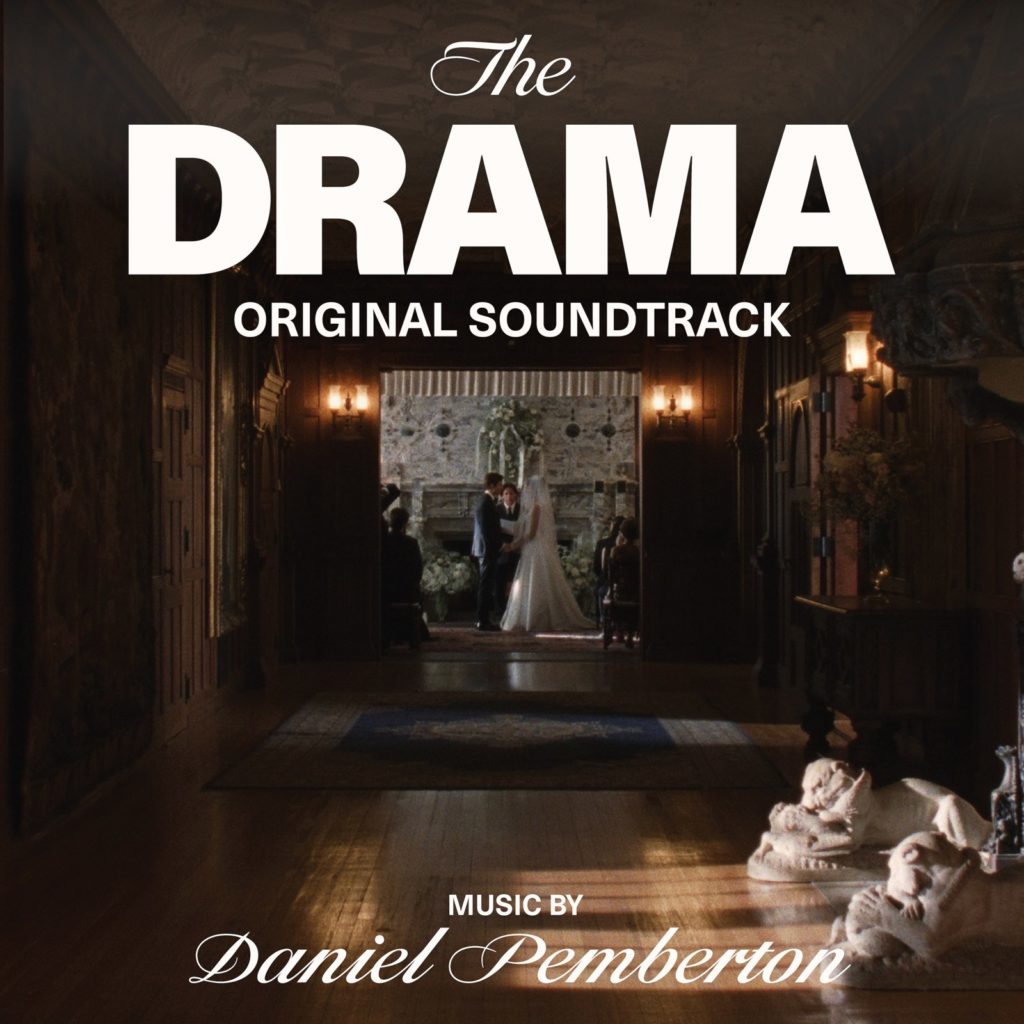
Looking at the film scores coming out in 2026, it is going to be a fantastic year for Daniel Pemberton. His music for Project Hail Mary is innovative, unique and fantastic, and I am looking forward to what he has written for Masters of the Universe. These are not the only projects Pemberton has worked on. He also wrote the music for The Drama, a dark comedy about a couple about to get married whose plans are not going as intended. Pemberton had teased that the whole score was recorded within a day, and when I started listening to the 20-minute score, I had to laugh, because I immediately knew why. For many of his scores, Pemberton has the craziest ideas, as he did for The Drama as well, with the whole score being performed on three flutes. While there is some melody to be found in the music, the majority of it consists mostly of Morse code-like patterns. Listening to the score once without the context of the film was more than enough for me, but I have to applaud Pemberton for writing yet another unique and innovative score.
The Bride! – Hildur Guðnadóttir
The Bride! is another take on the story involving the Frankenstein monster, with a bigger focus on his bride this time. A different take on the story about this iconic monster and his bride also means a different take on the music, written by Hildur Guðnadóttir for this film. The soundtrack album features a lot of her music in short tracks, but it also includes other music that reflects this irregular film. In some tracks, you can hear songs from the ‘30s, sung by present-day singers, but it still sounds like they originated from that era. In addition to those’ 30s-style songs, there are also modern songs by Swedish singer Fever Ray, featuring her unique singing style and voice.
Regarding Guðnadóttir’s music, there are two aspects I want to address. The first is the bold electric guitar sounds she uses in the score, with “The Fall” as a good example. The second aspect is why I wanted to talk about the music for this film: the emotional cues. These moments, with the four “Love Theme” tracks and “‘Til the End of Time” as the greatest examples, contain some gorgeous emotional melody writing, which was quite a surprise for me. While I do not care much for the rest of the album, these cues are definitely worth your attention.